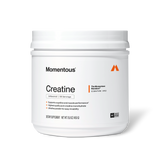
How To Choose A High-Quality Creatine Supplement
|
|
Creatine is one of the most researched and effective supplements for strength, power, muscle growth, and cognitive performance.
But not all creatine products are created equal.
Here’s how to identify a clean, effective creatine supplement — without fillers, underdosing, or misleading marketing claims.
Use this checklist to quickly evaluate any creatine product:
☐ Provides 5g of Creatine Monohydrate per serving
☐ Uses Creatine Monohydrate (not alternative forms)
☐ Micronized for improved mixability and digestion
☐ Single-ingredient or cleanly flavored
☐ Free from proprietary blends, artificial sweeteners, dyes, or fillers
☐ Third-party tested (NSF Certified for Sport® or Informed Sport) and made in a cGMP-certified facility
If a creatine product doesn’t meet these standards, it may not reflect the research-backed form or dose used in clinical studies.
Need more details? Keep reading for more info.
The gold standard form of creatine is:
Creatine Monohydrate
It is:
Backed by 1,000+ studies
Proven effective for strength and power
Well-studied for cognitive performance
Safe for long-term use in healthy individuals
Alternative forms (HCl, magnesium chelate, buffered creatine) are often marketed as superior but lack meaningful evidence showing clinical advantages over monohydrate.
“Creatine matrix” or “proprietary blend”
No disclosure of creatine form
No sourcing information
Multiple exotic creatine forms combined together
“Creatine” listed without specifying monohydrate
The research-supported maintenance dose for creatine monohydrate is:
5 grams per day
Some situations may warrant higher dosing:
Up to 10g for high-intensity training blocks
Up to 20g during periods of sleep deprivation or increased cognitive demand
However, 5g daily is sufficient for most individuals.
Always verify:
Creatine per serving
Not just scoop size
Some products include less than 3g per serving, which is below clinically effective levels.
Micronized creatine has smaller particle sizes, which may:
Improve mixability
Reduce digestive discomfort
Decrease bloating for sensitive individuals
While not mandatory, micronization improves user experience.
Creatine works best as a standalone supplement.
The highest-quality options are:
Unflavored
Single-ingredient
If flavored, ensure there are no:
Artificial dyes
Artificial preservatives
Sucralose
Acesulfame potassium
Creatine HCl, buffered creatine, or magnesium chelate are often:
More expensive
Underdosed
Not clinically superior to monohydrate
There is no compelling evidence showing better performance outcomes compared to monohydrate.
Creatine added to:
Pre-workouts
Electrolyte mixes
“All-in-one” formulas
These often contain less than 3g — sometimes less than 1g — which is not sufficient for performance benefits.
Dietary supplements are not FDA pre-approved before hitting the market. That makes independent testing critical.
Manufactured in a cGMP-certified facility
NSF Certified for Sport® or Informed Sport certification
Third-party testing for:
Heavy metals
Microbial contamination
Ingredient accuracy
Accessible Certificate of Analysis (CoA)
Third-party certification verifies that:
The product contains the stated dose
It is free from banned substances
It meets contaminant safety standards
Even if you’re not a competitive athlete, certification is one of the strongest signals of quality and transparency.
No disclosure of third-party testing
No certification logos
No available Certificate of Analysis
Reports have found some non-certified supplements contaminated with:
Heavy metals
Creatinine
Undeclared byproducts
Brands that voluntarily publish testing results demonstrate higher transparency.
Creatine draws water into muscle cells — that’s part of how it supports performance and muscle fullness.
Any product claiming “no water retention” is using marketing spin, not science.
Trace amounts of creatine (<1g) added to pre-workouts are often included for label appeal rather than performance benefit.
Always verify the actual gram amount.
Creatine monohydrate is the most researched and clinically supported form. There is no strong evidence that alternative forms outperform it.
A daily maintenance dose of 5g of creatine monohydrate is supported by research for most individuals.
Yes. Supplements are not pre-approved by the FDA, so third-party certifications like NSF Certified for Sport® or Informed Sport verify label accuracy, purity, and absence of banned or harmful substances.
Tyler Roof, MS RD CSSD
Tyler is a performance dietitian with experience in nutrition research and collegiate athletics, providing her with a comprehensive understanding of the unique challenges faced by athletes. She is passionate about empowering all athletes to reach their full potential through evidenced-based nutrition practices and sustainable, personalized guidance.
Recommended Products