Essential Info
Here’s how to ensure you get the most out of your Recovery.
Mix 2 scoops with 10–12oz of cold water or your preferred liquid.
Drink within 30–60 minutes after training. This timing really matters. The post-exercise window is when muscle protein synthesis rates are elevated, glycogen synthase activity is highest, and amino acid uptake into muscle tissue is most efficient. Recovery is designed to meet that demand with fast-digesting whey isolate, carbohydrates for glycogen restoration, and targeted recovery nutrients.
If you train multiple times per day or have high recovery demands, Recovery can also be used between sessions to bridge the gap until your next full meal.
Recovery is a post-workout formula. Here’s how it fits different scenarios:
After Strength Training
- Your muscles have been broken down under load. Recovery delivers fast-absorbing whey protein (enhanced by ProHydrolase® for improved amino acid uptake) plus carbohydrates to kickstart repair and glycogen restoration. This is the core use case.
After Endurance or High-Volume Sessions
- Long or intense sessions deplete glycogen stores and elevate cortisol. The protein-to-carb ratio in Recovery supports both glycogen replenishment and muscle preservation, blunting the catabolic response that follows prolonged effort.
Between Two-a-Days or Multi-Session Days
- When your next session is hours away and a full meal isn’t practical, Recovery bridges the gap. The electrolytes (magnesium, potassium, sodium) support rehydration while the protein and carbs begin the repair process.
On Non-Training Days
- Recovery is designed for post-workout use. On rest days, your protein needs are better met through whole-food meals or a standalone protein supplement like Momentous Whey or Plant Protein.
- Use it after every hard session. The single biggest mistake with post-workout nutrition is inconsistency. One shake after Monday’s workout doesn’t help Friday’s session. Each training bout creates its own recovery demand, and each demand deserves a response.
- Don’t wait too long. The post-exercise window isn’t a myth, though it’s less rigid than locker-room culture suggests. Aim for 30–60 minutes. After prolonged or fasted training, the window matters more. After a regular session with meals earlier in the day, you have a bit more flexibility, but sooner is still better than later.
- Treat it as the bridge, not the whole meal. Recovery is designed to deliver fast nutrients when your body needs them most. Follow it with a real meal within 1–2 hours for complete recovery nutrition.
What Results To Expect
Some users notice reduced soreness and faster bounce-back within the first few sessions. The larger effects (better adaptation to training, improved body composition, more consistent performance across a training week) build over 2–4 weeks of consistent post-workout use.
Faster Muscle Repair
Grass-fed whey protein isolate delivers a complete amino acid profile with high leucine content (that’s the amino acid most directly responsible for triggering muscle protein synthesis). ProHydrolase®, a protease enzyme blend included in the formula, has been shown in clinical studies to increase plasma amino acid levels by 20–33% compared to whey alone, supporting faster uptake when it matters most.
Energy Restoration
Training depletes muscle glycogen. The carbohydrate blend provides fast-digesting glucose to replenish those stores. The protein-carb combination also supports an insulin response that drives both glycogen synthesis and amino acid uptake into muscle tissue more efficiently than either nutrient alone.
Reduced Soreness & Muscle Protection
L-Carnitine Tartrate has been shown in a 5-week placebo-controlled trial to improve markers of exercise recovery and reduce muscle damage indicators. L-Glutamine supports gut barrier integrity and immune function, both of which are transiently compromised after intense exercise. Post-workout protein intake also helps blunt the cortisol response that drives muscle breakdown.
Lifestyle
Post-workout nutrition is one piece of the recovery puzzle. Sleep, overall daily protein intake, hydration, and training load management all matter. Recovery gives your body a head start, but results compound fastest when the rest of the picture is dialed in.


Science Rewards Steadiness & The Importance Of Daily Use
Every training session creates a unique recovery demand. Muscle protein breakdown is elevated, glycogen is depleted, inflammatory markers rise, and the hormonal environment shifts toward catabolism. Post-workout nutrition reverses that shift.
Muscle adaptation is cumulative. Each session provides a stimulus; each recovery response provides the building material. Skip the recovery nutrition and you’re leaving a portion of that stimulus on the table. Over weeks and months, that gap compounds.
Consistency in post-workout nutrition is one of the most controllable variables in athletic performance. Training itself has countless variables you can’t fully control — sleep, stress, travel, soreness. What you consume in the 30–60 minutes after is something you can nail every single time.
The clinical studies showing benefits of post-workout protein-carb combinations consistently use protocols where the nutrition is provided after every training session, not sporadically. The effect size compounds with consistency.
Daily Habits That Drive Success
-
Set Your Time
Prep before you train. Have your Recovery ready to mix the moment you finish. If you’re going to a gym, bring it with you. If you train at home, leave it next to your shaker bottle in the kitchen. Remove the friction between finishing your last set and drinking your shake.
-
Build Your Routine
Make it the first thing you do, not the last. Shower, stretch, scroll — all fine, but mix and drink your Recovery first. The nutrients are time-sensitive in a way that the rest of your post-workout routine isn’t.
-
Whole Foods
Follow it with a real meal. Recovery is the bridge, not the destination. Within 1–2 hours, eat a balanced meal with whole-food protein, complex carbs, and vegetables.
-
Journal Your Progress
Track your training performance, not just how you feel. Whether your working weights are going up, your conditioning times are dropping, or your readiness scores are improving, these are the signals that your recovery nutrition is doing its job.
Other Products That Enhance Your Recovery Routine
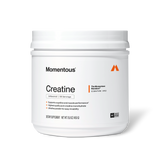
Creatine - 90 Servings
Creatine and Recovery address overlapping but distinct recovery needs. Recovery provides the protein and carbs for muscle repair and glycogen restoration. Creatine maintains the phosphocreatine energy stores your muscles draw from during the next session. Together, they cover both the rebuilding (protein/carbs) and the reloading (ATP/phosphocreatine) sides of recovery.*
$32.24
$42.99


Omega-3
Hard training generates an inflammatory response. That’s normal and necessary, it’s part of how adaptation happens. But the response needs to resolve efficiently so you can train again. EPA and DHA provide substrates for specialized pro-resolving mediators that help bring inflammation to its proper conclusion. Recovery manages the acute post-workout nutrition window. Omega-3, taken daily, supports the inflammatory environment you train in day after day.*
$29.99
$39.99


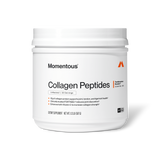
Collagen Peptides
Recovery feeds the muscles. Collagen feeds the connective tissue those muscles depend on — tendons, ligaments, cartilage, and the extracellular matrix. As training intensity and volume increase, the mechanical demand on connective tissue grows proportionally. Collagen provides the specific amino acids (glycine, proline, hydroxyproline) your body uses to maintain and repair these structures. Particularly relevant for anyone training at high volume, managing joint wear, or focused on long-term durability.*
$41.24
$54.99


-
![Next Guide:]()
Next Guide:
Collagen Peptides
-
![Looking For More?]()
Looking For More?
View The Collection