Creatine for Women: Benefits, Safety, and How to Start
|
|
Clinically reviewed by Aston Dommel, PhD, RD, CSSD
Creatine has a reputation as a supplement for bodybuilders. But that stereotype does a disservice to females who may be missing out.
Females store less body-made creatine in muscle and get less creatine through diet when compared with males.
Yet creatine is just as important, if not more important, for females as for males for supporting muscle, bone, and brain health.
Creatine can be especially important for navigating the menopause transition and aging healthfully.
As a woman, I’m no “gym bro.” But I do have a litany of supplements I rely on to support my brain, body, and fitness goals, including for lifting weights and running, especially while navigating perimenopause and general aging. Creatine is among my go-to supplements because it checks a lot of boxes.
If you’ve ever wondered about creatine for women, you might have found plenty of articles on creatine in general. Much of the content out there pertains to increasing muscle mass in males. But not much focuses on the female body.
That’s what this article is all about. What does creatine do for women? A lot, actually. Of course, it does some of the same things for females as for males. But this article gets into the nuance of why creatine is good for women.
Creatine supports your body and brain. But the female body stores less creatine, and females tend to have diets lower in creatine than males. Hormonal changes throughout the menstrual cycle and lifespan also impact how the body accesses and uses creatine. Plus, female brains have energy demands that change with hormonal fluctuations, especially in perimenopause.
In this article, we explore creatine benefits for women, creatine dosage for women, and much more.
Before we dig into the specifics for the female body, you might want to know what creatine does in general. Your body produces and stores creatine (mostly in your muscles), and it’s found in certain foods and supplements. It functions as an energy-recycling compound.
Your muscles convert creatine to phosphocreatine, a combination of phosphate and creatine. Phosphocreatine aids the rapid recycling of adenosine triphosphate (ATP), your body’s universal form of energy required for movement and general functioning, including cognitive function. This is true for all people. But it is also where the similarities between males and females end.
Female factors to consider:
Creatine stores: Females store 70% to 80% less endogenous (body-made) creatine than males, according to research published in the journal Nutrients in 2021.
Creatine from diet: More than 70% of females do not consume the recommended daily intake of creatine through diet. And adult females consume the least when compared to adolescents, according to research published in Food Science & Nutrition in 2024.
Hormones: Your level of estrogen at any given time affects how the body metabolizes and uses creatine, as noted in the 2021 Nutrients article. Lower estrogen states, such as during the menopause transition and beyond, mean you may have even more of a need for creatine. This is because estrogen helps support the movement of creatine into cells and its conversion to phosphocreatine.
All these points suggest we may have much more to gain, literally and figuratively, from creatine supplementation — not less — when compared with males.
And just a quick note on gains. You may have heard that you gain weight when starting creatine. “Note that the early weight gain isn’t fat,” says Brinya Kydd, MS, RDN, an expert in exercise physiology and sports nutrition. “It’s water inside your muscle cells.” Read on to learn how to get around this potential side effect. Of course, you do stand to gain more muscle while supplementing with creatine, which is a good thing.
Now that you have a better understanding of what creatine does in the body on a basic level, you might be wondering how it benefits the female body specifically. So let’s dig in.
Creatine supplementation helps increase your muscles’ capacity to store creatine, leading to a 20% to 40% increase, according to research published in the journal Nutrients in 2021.
This increased storage can benefit your workouts. During intense exercise, your body rapidly breaks down ATP (your body’s accessible form of energy). It turns it into adenosine diphosphate (ADP).
Phosphocreatine, which your muscles convert from creatine, helps rapidly convert ADP back into ATP to help you maintain consistent energy levels, whether you’re running speed intervals, pumping iron, or focusing on time under tension in a Pilates class.
Your muscle-building efforts are beneficial at any time, of course. But they are particularly important in middle age. Without strength training, females lose about 3% to 8% of their muscle mass per decade, starting at age 30 until about age 60, when muscle mass loss accelerates even more, according to research published in the International Journal of Women’s Health in 2022.
One of the biggest factors for this loss is declining estrogen during the menopause transition. This hormonal shift hinders muscle protein synthesis. So creatine stores become even more important during this time.
In addition to helping us maintain our independence as we age, increasing muscle mass also has the added benefit of supporting body recomposition, the combination of muscle gain and fat loss.
Creatine supplementation combined with strength training may increase muscle mass by 1.14 kg more than resistance training alone, according to 2024 research published in The Journal of Strength & Conditioning Research.
In general, creatine supplementation can lead to a 10% to 20% gain in strength and a 10% to 20% gain in high-intensity performance, according to 2017 research published in the Journal of the International Society of Sports Nutrition.
When looking at female-specific research, untrained participants who took creatine while doing resistance training over a 10-week study experienced greater improvements in maximum strength when compared to participants who took a placebo. The strength gains were 20% to 25% higher for lower-body exercises, as noted in a 2021 journal article in Nutrients.
Your brain tends to monopolize your body’s energy resources. It represents about 2% of your body weight. But it consumes about 20% of your total body energy. That means it’s gobbling up ATP rapidly.
Creatine can come to the rescue by recycling it, especially when you’re engaged in cognitive tasks. This is because these mental states increase the demand for phosphocreatine while ATP turnover can be impaired. Research shows that creatine supplementation may improve cognitive performance and reduce mental fatigue.
Supplementation may be particularly important while going through the menopause transition, when the symptom of brain fog (a term for memory lapses and trouble thinking) can show up because of estrogen decline.
Additionally, emerging research shows that creatine may support the calming neurotransmitter gamma-aminobutyric acid (GABA), while reducing trouble from high levels of glutamate. This may help protect against nerve cell death, which may support brain health overall.
Creatine may also benefit your mood. This is because creatine is involved in how efficiently your brain uses neurotransmitters (chemical messengers) related to mood, specifically serotonin and dopamine. Research shows that lower levels of creatine in cerebrospinal fluid are linked to depression. Depression can worsen during the menopause transition or even during the luteal phase of your menstrual cycle, thanks to hormonal changes.
A 2026 randomized clinical trial published in the Journal of the American Nutrition Association found that 8 weeks of creatine supplementation in perimenopausal and postmenopausal participants led to a reduction in mood swings.
Females face a decline in bone mineral density that begins around age 30 and accelerates during the menopause transition because of estrogen decline. Bone density loss can lead to osteoporosis.
Bone is metabolically active tissue that requires lots of ATP (energy) for osteoblasts (bone-building cells) and osteoclasts (bone cells that break down and reabsorb damaged or old bone tissue). Creatine supplementation can help.
A 12-month randomized controlled trial in postmenopausal participants found that those taking creatine while strength training experienced less decline in their femoral-neck bone mineral density when compared to participants taking a placebo. More research is needed, however, as emerging studies on creatine and bone health have been somewhat mixed.
Creatine may also benefit your sleep, which is important for optimal recovery from everyday life and your workouts.
A 2024 study, published in the journal Nutrients, found that creatine supplementation increased total sleep duration on resistance training days in naturally menstruating participants. This effect may be particularly beneficial for those with diets low in creatine sources.
If the research has convinced you (as it has me) to add creatine to your supplement shelf, you might be wondering how to think about and use it throughout your lifespan.
Dosing: 3 to 5 grams per day
Special considerations: Take advantage of your ability to build muscle now, setting yourself up to mitigate muscle mass loss during the menopause transition. You may also find that creatine supports you during your luteal phase when mood swings can show up. Some research suggests creatine may play a supporting role in pregnancy and postpartum. But research is still emerging. If you’re considering creatine during this time, be sure to talk to your doctor about it first.
Dosing: 5 grams daily
Special considerations: As you enter and navigate the menopause transition, you’re at a critical time for preventing muscle and bone loss (from estrogen decline) by strength training and participating in load-bearing exercises. Additionally, brain fog, mood swings, and sleep disturbances are common. Creatine can support you during this time. Aiming for the higher end of the dosage range may help because estrogen loss can impair how well your body uses creatine. If you haven’t already, now is a good time to boost your protein intake as well.
Dosing: 3 to 5 grams daily
Special considerations: Ask your doctor, but you may also benefit from adding calcium and vitamin D supplementation to your regimen if you’re deficient. Continue your strength training and creatine supplementation to give you an edge as you age.

Anyone who is considering taking a creatine supplement should consult their doctor. This is especially true for those with underlying conditions or who take prescription or over-the-counter medications or supplements.
“For healthy women,” Kydd says, “creatine monohydrate has one of the strongest safety records in the supplement industry.”
Creatine is generally not recommended for people who:
Have kidney disease
Have endometriosis
Are under 18
Are pregnant or nursing (but talk to your doctor)
Take diuretics
Take medications that may affect kidney function (such as prolonged NSAID use)
The recommended daily maintenance dose of creatine for females is 3 to 5 grams daily, or about 0.1 gram per kilogram of body weight (0.045 grams per pound).
Your body makes about half of the creatine you need. And you get some creatine through your diet. However, as noted above, 70% of females don’t get enough creatine through food. This is especially true if you are strictly vegan or consume mostly plant foods.
You may want to aim for the higher end of the range if:
You’re vegan or vegetarian
You’re undergoing the menopause transition
You are physically active
You are experiencing brain fog

As noted earlier, creatine supplementation might cause the number on the scale to go up slightly, but you’re not gaining fat, only water weight within your muscles. But you can get around this side effect.
Most creatine supplementation advice includes a loading phase, where you take 20 to 25 grams per day for about a week before taking 3 to 5 grams as a maintenance dose going forward.
“To beat the bloating, skip the loading phase,” Kydd says. “That’s where the bloating and water-weight jump come from. A steady 3 to 5 grams of creatine a day gets you to the same place with far less discomfort.”
Some claims about creatine tie the supplement to hair loss. But current research has found no connection.
Most research on creatine explores creatine monohydrate, which is the most recommended type, according to the journal Nutrients. It’s also the type that your body can more easily absorb.
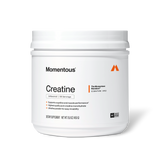
You can find creatine monohydrate in various forms, including gummies, chews, capsules, or a powder you can dissolve into a liquid of your choosing, whether in a smoothie or another beverage.
Look for a product with clear serving sizes and no unnecessary additives. Products with third-party certifications, specifically NSF Certified for Sport and Informed Choice, are the most trusted, as they will be free of any banned or harmful substances.
Now that you know the evidence-based benefits of creatine and have explored the truth behind some of the myths, you might want to add creatine to your routine. The evidence shows that creatine is safe and highly useful for females, not just males who hang out in the weight room. Combined with physical activity, especially strength training, creatine supplementation can support healthy aging and fitness.
Creatine can support the female body by helping to maintain consistent energy levels during exercise, supporting muscle and bone health, supporting cognitive function, and aiding overall healthy aging when combined with a healthy lifestyle.
Some doctors may tell you that you don’t need creatine, simply because it is not an essential nutritional component since your body makes it. Additionally, in some cases of underlying conditions, creatine supplementation isn’t recommended.
If you’re supplementing with creatine, most recommendations suggest that females take 3 to 5 grams per day.
Recommended Products