Which Type of Magnesium Is Right for You?
|
|
Updated October 1, 2026
Magnesium is a cofactor in more than 300 different enzyme systems that regulate diverse reactions in your body, from protein synthesis and muscle and nerve function through to blood glucose control and blood pressure regulation. It contributes to the structural development of bone and is required for the synthesis of DNA. It also plays a role in the active transport of calcium and potassium ions across cell membranes, a process that is important to nerve impulse conduction, muscle contraction, and normal heart rhythm.
Before looking at the different types of magnesium supplements available and how they might be able to support your health and fitness goals, let’s take a closer look at the role magnesium plays in the body.
1. Magnesium can support muscle function. When magnesium levels are inadequate, your muscles may over contract which can lead to symptoms like muscle spasm and cramping. Magnesium helps the muscle cell relax after contracting.
2. Magnesium can play a key role in bone mineralization by influencing the synthesis of the active form of vitamin D. A positive association has been found between dietary magnesium intake and bone mineral density.
3. Magnesium is vital for maintaining a healthy heart; it helps stabilize the rhythm of the heart and plays a role in preventing abnormal blood clotting in the heart. Magnesium also helps maintain healthy blood pressure levels.
4. Studies have shown magnesium can help boost memory and focus. Magnesium concentrations in the brain affect multiple biochemical processes involved in cognitive functions, including cell stability and integrity and NMDA-receptor response to stimuli.
5. Magnesium can help improve sleep quality. It is a natural NMDA antagonist (an amino acid derivative that acts as a neurotransmitter receptor in the brain) and a GABA agonist, and may increase natural melatonin levels, helping to improve sleep.
The RDA (recommended dietary allowance) for magnesium is 420mg for male adults and 320mg for female adults. Food-rich sources of magnesium include seafood, nuts, green leafy vegetables, fruit, whole grain products, milk, and yogurt. Yet it’s not always possible to consume adequate amounts of magnesium in our daily diet, which is why magnesium supplementation can prove beneficial.
There are a number of different types of magnesium supplements, with the five most common shown below. As you’ll see, they have different levels of absorption/bioavailability and different benefits, ranging from improving sleep quality, optimizing cognitive performance, and helping to fight fatigue:
Magnesium Oxide: This may be the most cost effective but is very poorly absorbed in the gut. It is commonly prescribed for heartburn relief or used as a laxative.
Magnesium Malate: Magnesium Malate has much higher bioavailability than Magnesium Oxide and is often used to help treat muscle soreness and chronic fatigue. It can also help stimulate ATP production.
Magnesium Citrate: Chelated versions of magnesium, such as Magnesium Citrate, have good absorption and dissolve well in water, which is why you’ll often see this type of magnesium sold in drink mixes. It is commonly used for digestive problems or to help foster a sense of calm.
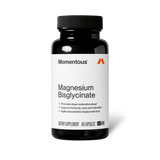
Magnesium Bisglycinate: Magnesium Bisglycinate is one of the more bioavailable forms of magnesium. It’s typically used to help with sleep and calming the nervous system.
Magnesium Threonate: Magnesium Threonate has been shown to penetrate the blood-brain barrier the most effectively, helping to raise magnesium levels in the brain and optimize cognitive function. For this reason it is often used to help improve focus, learning, and brain health.
| Form | Absorption | Use | Description |
|---|---|---|---|
| Threonate | Good | Brain health, nervous system, learning, concentration |
|
| Malate | Good | Chronic fatigue, muscle soreness, stimulates ATP production |
|
| Citrate | Good | General, digestion, laxative, migraines, calm |
|
| Oxide | Poor | Laxative, low systemic absorption |
|
| Bisglycinate | Good | General, high bioavailability, mood, sleep, nervous system |
|

Emma-Kate Lidbury
Emma-Kate Lidbury is a freelance writer and editor with 20 years of experience working in the health and fitness world.
Recommended Products